If you are thinking about buying in Albany, one of the first things you will notice is that the city does not feel the same from one neighborhood to the next. A few blocks can change the pace, housing style, park access, and day-to-day convenience in a big way. Understanding those differences can help you focus your search and feel more confident about where to look first. Let’s dive in.
Why Albany neighborhoods feel so different
Albany’s own community materials describe neighborhoods as a big part of the city’s quality of life, historic character, and social diversity. That shows up in walkable streets, older architecture, varied housing types, and everyday amenities woven into the city fabric.
For you as a buyer, that means Albany is not one single housing experience. It is a collection of distinct micro-locations, each with its own mix of block pattern, building age, lot size, and closeness to downtown or major parks.
The city also places strong value on historic preservation. That matters because many of Albany’s neighborhoods are shaped by older buildings and long-established streetscapes, which can give each area a very different look and feel.
Start with four comparison points
If you are early in your search, it helps to compare neighborhoods using a simple framework. In Albany, four factors stand out most:
- Walkability
- Housing type
- Park access
- Everyday convenience
Some neighborhoods lean more urban and compact. Others feel quieter, leafier, and more residential. Once you know which of those features matters most to you, it becomes easier to narrow your options.
Explore Albany’s historic urban core
Center Square and Hudson Park
Center Square-Hudson Park is one of Albany’s clearest examples of a compact historic neighborhood. The city describes it as two neighborhoods of similar age and style, framed by Lincoln Park, Washington Park, the Empire State Plaza, and Washington Avenue.
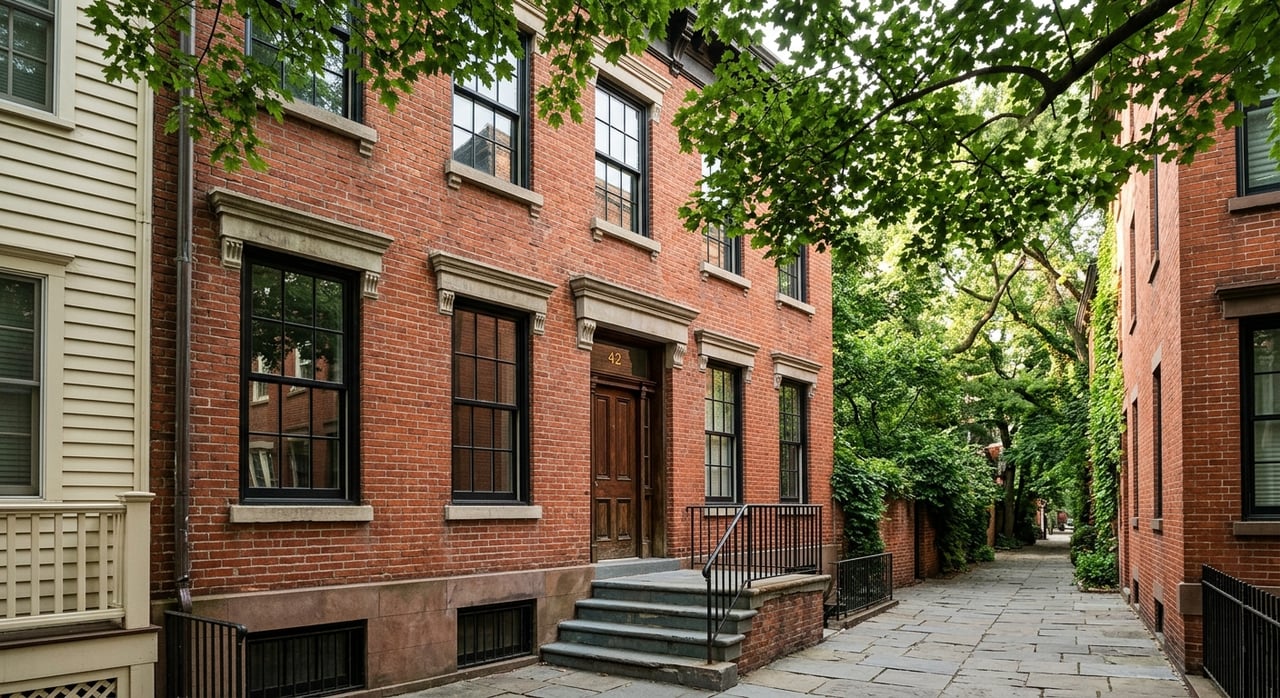
Most of the district is made up of two- to four-story brick rowhouses. Along Lark Street, you will also find mixed-use buildings with retail at street level and homes above, which adds to the neighborhood’s urban feel.
Architecturally, this area includes Federal, Italianate, Romanesque, Queen Anne, Art Deco, and other styles. If you are drawn to classic brick buildings, walkable blocks, and a strong sense of Albany’s historic identity, this is often one of the first places worth exploring.
Mansion
The Mansion neighborhood sits directly south of downtown Albany. The city describes it as mainly residential, centered on brick rowhouses, with storefronts along South Pearl Street and Madison Avenue.
This area also includes Italianate, Federal, and Greek Revival architecture. In practical terms, the city highlights its quick walk to downtown and close access to restaurants, artistic activity, and the Empire State Plaza.
For you, that can translate into a downtown-adjacent setting with a strong historic feel. It is a good example of a neighborhood where residential blocks and city access sit very close together.
Hudson/Park
Hudson/Park is another close-in neighborhood with a central location. Albany describes it as known for convenience, cultural diversity, and neighborly interaction, positioned between Washington Park, Lincoln Park, and the Empire State Plaza.
If you want to stay close to the city’s civic and cultural core, Hudson/Park is one to keep on your radar. It tends to appeal to buyers who want an in-town setting rather than a more spread-out residential pattern.
Look at Albany’s more residential areas
Pine Hills
Pine Hills is one of Albany’s best-known residential neighborhoods. The city describes it as large, diverse, historic, and vibrant, with a mix of homeowners, families, and college students.
It also stands out for everyday amenities. City materials point to a movie theater, children’s theater, grocery store, library, post office, and schools, along with early-20th-century frame and brick homes.
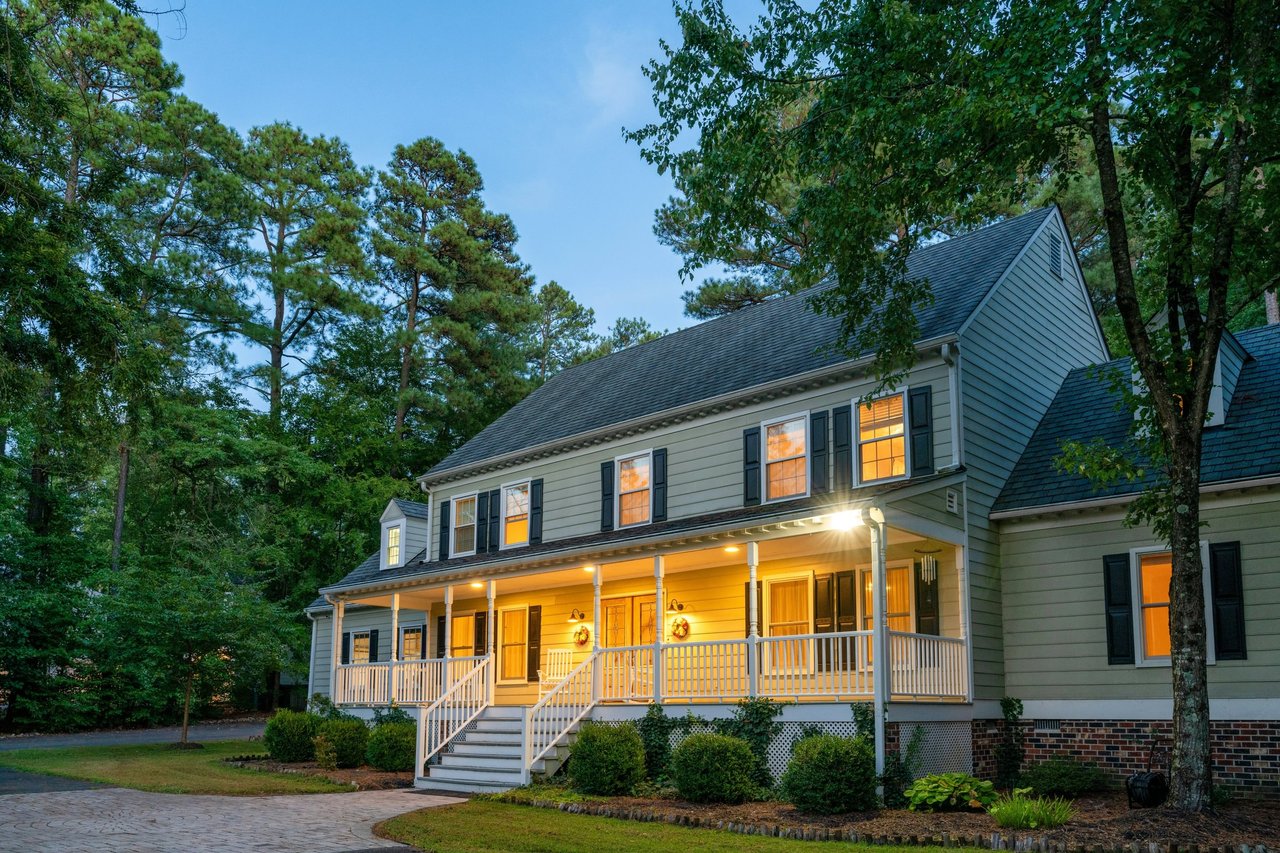
A city survey describes Pine Hills as having larger homes on larger lots with front-yard setbacks. Compared with Albany’s denser rowhouse neighborhoods, this area can feel more spacious while still offering strong day-to-day convenience.
Buckingham Lake and Crestwood
Buckingham Lake/Crestwood is one of Albany’s clearest park-centered neighborhoods. The city says the area surrounds Buckingham Pond Park and is made up mainly of single-family homes on tree-lined streets.
It also offers easy walking access to amenities on New Scotland and Western Avenues. Buckingham Lake Park itself is about 15 acres and includes a stone-dust trail, picnic area, inclusive playground, wetlands, and woodlands.
That park setting helps explain why the area often feels quieter and more residential than the downtown core. If you are looking for a neighborhood shaped by green space and single-family homes, this area may feel like a natural fit.
Park South, New Scotland-Woodlawn, and Helderberg
This group of neighborhoods tends to read as calmer and more residential while still staying connected to central Albany. Park South sits between University Heights and Washington Park and offers a mix of housing styles with quick access to New Scotland Avenue services and downtown.
New Scotland/Woodlawn is described by the city as tree-lined, sidewalked, and tight-knit, with a hospital, specialty shops, retail services, and Capital Hills Golf Course nearby. Helderberg is generally defined by its neighborhood association as the area from Academy Road to Manning Boulevard and from New Scotland Avenue to Hackett Boulevard.
If you want a location that feels settled and residential but not far removed from city amenities, this cluster is worth a closer look. These areas often appeal to buyers who want balance rather than an all-urban or all-suburban feel.
Consider service-rich corridors
Delaware Avenue
Delaware Avenue is useful to think of as a city neighborhood with strong everyday convenience. Albany describes it as a vibrant and eclectic corridor with a movie theater, restaurants, bistros, and many local services.
The city also points to Normanskill Farm and the Hackett Bike Trail as nearby amenities. For you, that can mean a neighborhood where errands, dining, and recreation all play a visible role in daily life.
This is not purely a quiet residential pocket, and that is part of its appeal. If convenience matters as much as home style, Delaware Avenue may deserve a spot on your list.
How parks shape neighborhood lifestyle
Albany’s park system plays a big role in how different neighborhoods feel. Washington Park is the city’s 81-acre historic “crown jewel” in the heart of downtown, while Lincoln Park covers 68 acres and serves as a major outdoor recreation resource.
Buckingham Lake Park offers a more neighborhood-scaled experience on the west side. These parks help explain why neighborhoods that are geographically close can still feel very different in daily life.
If you picture yourself walking to a major city park, neighborhoods near Washington Park or Lincoln Park may stand out. If you prefer a quieter pond-and-trail setting, Buckingham Lake/Crestwood may align better with what you want.
A simple way to match neighborhood to lifestyle
If you are trying to sort through Albany’s options, this quick guide can help:
- For a compact urban feel: Center Square/Hudson Park, Mansion, and Hudson/Park
- For larger homes and everyday services: Pine Hills
- For a park-centered residential setting: Buckingham Lake/Crestwood
- For convenience along an active corridor: Delaware Avenue
- For a quieter residential feel near central amenities: Park South, New Scotland-Woodlawn, and Helderberg
You do not need to memorize every block before you start. You just need a clear sense of the lifestyle you want, then compare neighborhoods through that lens.
One practical detail to keep in mind
Parking can be an important difference in Albany’s more central neighborhoods. According to the city’s FAQ, residential permit parking Zone A includes designated streets within Center Square, Hudson/Park, Park South, and Washington Park.
If you are comparing close-in neighborhoods with more space-oriented areas farther out, that is a useful detail to ask about early. Small day-to-day logistics like parking can shape how a neighborhood works for you over time.
Final thoughts on choosing the right Albany neighborhood
Albany’s appeal comes from variety. Instead of one citywide pattern, you will find dense historic rowhouse districts near downtown, leafy residential pockets organized around parks, service-rich corridors, and quieter neighborhoods with larger lots.
That is good news if you are buying, because it gives you real options. The key is to look beyond a street name and focus on how each neighborhood supports the way you want to live.
If you want help narrowing down where to start, working with someone who knows the Capital Region block by block can save you time and help you spot the differences that matter most. If you are ready to talk through your search, connect with Shari Fox.
FAQs
What makes Albany neighborhoods feel different from each other?
- Albany neighborhoods vary by housing type, building age, lot size, park access, walkability, and how close they are to downtown and major amenities.
Which Albany neighborhoods feel most urban and historic?
- Center Square/Hudson Park, Mansion, and Hudson/Park are the neighborhoods most closely tied to Albany’s historic urban core and downtown-adjacent setting.
Which Albany neighborhoods feel quieter and more residential?
- Buckingham Lake/Crestwood, New Scotland-Woodlawn, Helderberg, and parts of Park South generally read as calmer, leafier, and more residential than the downtown core.
Which Albany neighborhood offers strong everyday convenience?
- Pine Hills and Delaware Avenue stand out for access to daily services such as groceries, dining, entertainment, and other neighborhood amenities.
How do parks affect Albany neighborhood lifestyle?
- Major parks help shape neighborhood feel. Washington Park and Lincoln Park support the downtown-adjacent neighborhoods, while Buckingham Lake Park gives the west side a quieter, neighborhood-scale park identity.
What should buyers know about parking in central Albany neighborhoods?
- Albany’s residential permit parking Zone A includes designated streets in Center Square, Hudson/Park, Park South, and Washington Park, so parking is worth asking about when comparing neighborhoods.