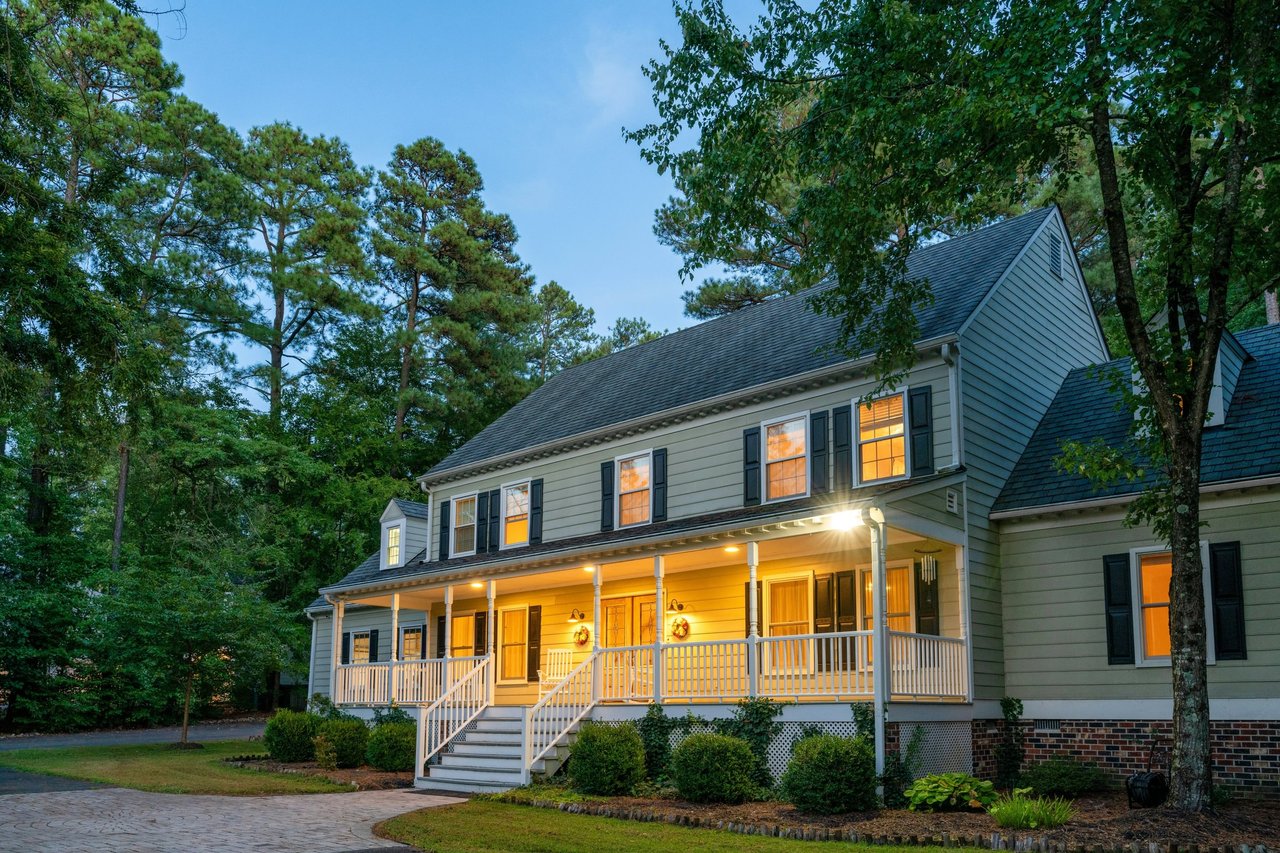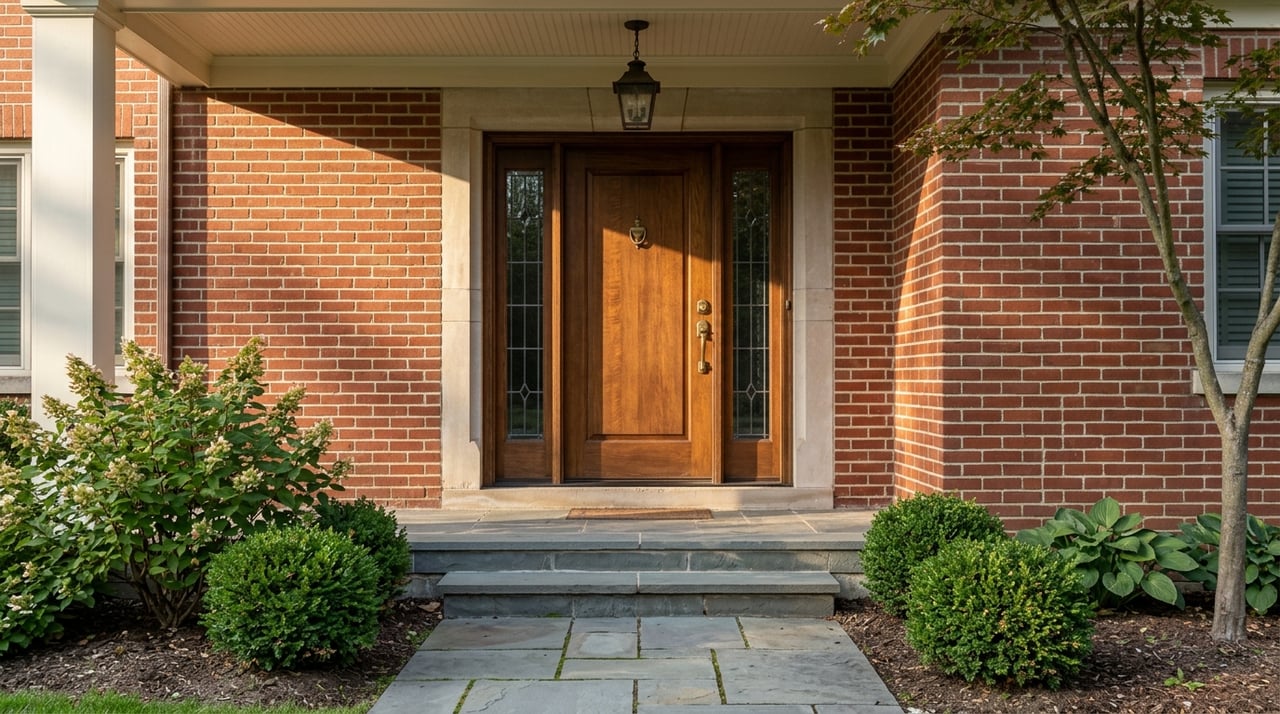
Thinking about buying a classic Albany home? You are not alone. Albany’s older homes can offer the kind of character, architecture, and city setting that newer construction often cannot match, but they also come with details you need to understand before you make an offer. If you want to buy with more confidence, this guide will walk you through what to look for, what to ask, and how to plan ahead. Let’s dive in.
Why Albany Has So Many Classic Homes
Albany has an older housing stock than many surrounding areas. According to the City of Albany’s 2025 Housing Audit, 42.9% of the city’s housing units were built before 1940, 95% were built before 2010, and the city’s median year built is 1949.
That older age shows up all over the local market. Compared with Albany County’s median year built of 1964 and New York State’s 1958, Albany stands out for its concentration of older homes. For buyers, that means classic properties are not the exception here. They are a meaningful part of the inventory.
What “Classic Albany Home” Often Means
In Albany, a classic home can mean several different things depending on the area. In historic districts like Center Square-Hudson Park, Mansion, and Pastures, you are likely to see brick rowhouses, attached or semi-attached homes, and a mix of architectural styles that reflect different periods of the city’s history.
The City describes these districts as containing styles such as Federal, Italianate, Greek Revival, Gothic Revival, Queen Anne, Richardsonian Romanesque, Renaissance Revival, Dutch Revival, Georgian Revival, Art Deco, and more. In practical terms, that often means details like brick facades, tall windows, decorative trim, older staircases, and room layouts that may feel more segmented than newer homes.
Expect Different Floor Plans
One of the biggest adjustments for buyers is layout. Many older Albany homes were built long before open-concept design became popular, so you may find narrower rooms, more defined living spaces, steeper stairs, or multiple stories.
That is not necessarily a drawback. It just means you should think carefully about how you live day to day and whether the home’s layout fits your needs. Character is a real advantage, but function still matters.
Check Historic District Status Early
If you love an older home because of its exterior charm, make sure you understand whether it is located in a local historic district. Albany’s Historic Resources Commission reviews proposed exterior alterations or additions to structures and landmarks within local historic districts. It also reviews demolition of designated structures and new construction within those districts.
For you as a buyer, that can affect future plans for projects like window replacement, porch work, additions, or major exterior changes. It is smart to check district status early so you have a realistic sense of what may require review and how that could affect timing and scope.
Focus on the Right Inspection Issues
A home inspection is especially important when you are buying an older property. In New York, licensed home inspectors provide written reports based on readily accessible and observable conditions. Their scope includes the structure, exterior, roof, plumbing, electrical, heating, insulation and ventilation, interior, and fireplaces.
That inspection is a valuable step, but it is important to understand its limits. New York also notes that a home inspection is not a comprehensive architectural or engineering study and will not identify concealed defects, code compliance, or repair costs. In other words, the report helps you spot concerns, but it may not answer every question.
Key Systems to Watch
In a classic Albany home, pay close attention to:
- Roof condition
- Chimneys and flashing
- Basement or foundation moisture
- Older plumbing
- Older electrical service or wiring
- Heating equipment
- Window wear
- Insulation and ventilation
These are the kinds of items that can shape both your immediate repair plans and your long-term budget. A home can look beautiful on the surface and still need meaningful systems updates.
Attend the Inspection If You Can
New York guidance recommends attending the inspection. That gives you the chance to see issues firsthand, ask follow-up questions, and better understand what is routine maintenance versus what may need faster attention.
It is also worth confirming that your inspector is licensed and insured, as required by the state. That small step helps you start with the right professional foundation.
Lead Paint Is a Major Age-Related Concern
If the home was built before 1978, lead-based paint is a real possibility. That matters in Albany because so much of the housing stock predates that year.
Lead hazards are often tied to paint that is peeling, chipping, cracking, damaged, or damp. Common problem areas include windows, window sills, doors, door frames, stairs, railings, banisters, and porches.
New York’s Attorney General notes that sellers and landlords must disclose known lead-based paint hazards in pre-1978 housing. That disclosure is helpful, but it should not replace your own careful review and follow-up when conditions raise concerns.
Lead Can Involve More Than Paint
New York’s Department of Health also says homes built before 1986 are more likely to have lead pipes, fixtures, or solder. If you are buying an older home and planning updates, this is another reason to look beyond cosmetic features and think about the property as a whole system.
If work will disturb old paint, EPA recommends using lead-safe certified firms for lead-related work. That is especially important during renovation projects where hidden issues can surface quickly.
Renovations May Raise Asbestos Questions
If you are planning to remodel, asbestos should be on your radar too. EPA says you cannot tell by sight whether many materials contain asbestos.
If material is damaged or will be disturbed during renovation, a trained and accredited asbestos professional should inspect or handle it. That is a key planning point if you are buying a home with the intention of updating kitchens, baths, walls, flooring, ceilings, or insulation.
Budget for Charm and Surprises
Classic homes can be incredibly rewarding to own, but they usually require a different mindset than newer construction. Albany’s age profile, combined with the limits of a standard home inspection, points to one big lesson: your budget should leave room for follow-up evaluations and repairs.
A smart approach is to keep a contingency reserve and treat the inspection report as the starting point, not the final word. Once issues are identified, contractor estimates can help you understand the true scope and cost of needed work.
How to Buy More Confidently
If you are serious about a classic Albany home, a little extra preparation can go a long way. The goal is not to avoid older homes. It is to understand them clearly before you commit.
Here are a few practical steps to keep in mind:
- Learn the home’s age and style early. This gives you context for likely materials, layout, and maintenance needs.
- Check historic district status. If future exterior changes matter to you, verify this before planning updates.
- Hire a licensed, insured home inspector. Make sure you receive a written report and understand what is and is not covered.
- Attend the inspection. Seeing issues in person can make the report much easier to interpret.
- Plan for specialist follow-up. If concerns come up around lead, asbestos, structure, or major systems, bring in the right professionals.
- Build in a repair reserve. Older homes often need work over time, even when they are well cared for.
Why the Right Guidance Matters
Buying an older home is not just about falling in love with original details. It is about balancing charm, condition, future plans, and budget in a way that works for your life.
That is where local guidance matters. In Albany, knowing how to spot the difference between a manageable project and a costly surprise can help you make a stronger decision and feel better about it from day one.
If you are considering a classic home in Albany and want practical, responsive guidance through the process, Shari Fox can help you evaluate your options and move forward with confidence.
FAQs
What makes Albany homes different from newer homes in the Capital Region?
- Albany has an older housing stock, with 42.9% of city housing units built before 1940 and a median year built of 1949, so buyers often see more historic architecture, older layouts, and aging systems.
What should buyers inspect first in an older Albany home?
- Buyers should pay close attention to the roof, chimneys, basement or foundation moisture, plumbing, electrical service or wiring, heating equipment, windows, and ventilation.
What does a New York home inspection cover for an older home?
- A licensed New York home inspector reviews readily accessible and observable conditions involving the structure, exterior, roof, plumbing, electrical, heating, insulation and ventilation, interior, and fireplaces, then provides a written report.
What should buyers know about historic districts in Albany?
- Buyers should verify whether a home is in a local historic district because Albany’s Historic Resources Commission reviews certain exterior alterations, additions, demolition, and new construction in those districts.
What should buyers know about lead in older Albany homes?
- Homes built before 1978 are more likely to contain lead-based paint, and homes built before 1986 are more likely to have lead pipes, fixtures, or solder, so age-related lead concerns are important to review carefully.
Should buyers worry about asbestos in a classic Albany home?
- If renovation will disturb older materials, asbestos may be a concern, and a trained and accredited asbestos professional should inspect or handle suspect materials.