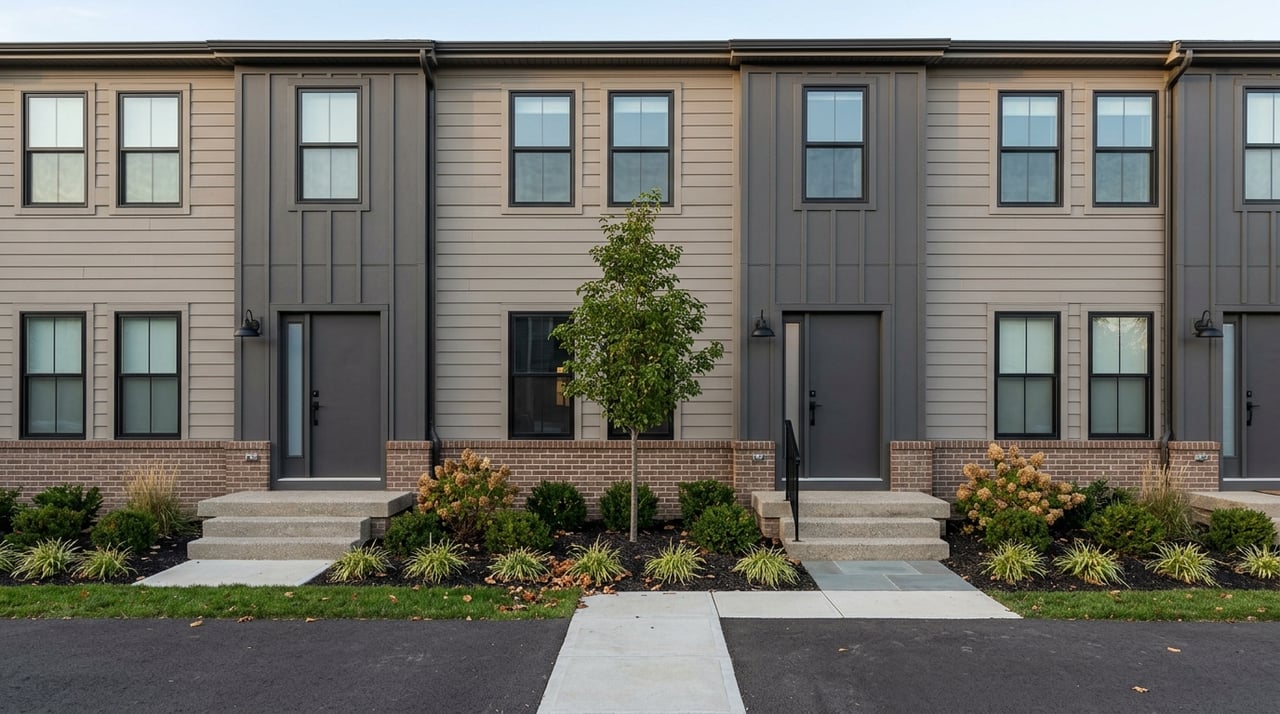
If you want less exterior upkeep without giving up homeownership, a townhome or condo in Guilderland may be worth a closer look. For many buyers, attached homes offer a simpler day-to-day lifestyle, but they also come with rules, shared costs, and financing details that can surprise you if you are not prepared. This guide will walk you through what to look for, what to ask, and how to make a confident decision before you buy. Let’s dive in.
Why Guilderland Appeals to Attached-Home Buyers
Guilderland is a suburban community in Albany County with an estimated 2024 population of 37,949, and attached housing remains part of the local housing mix, according to the U.S. Census Bureau and local planning materials. The town continues to review projects that include townhome units, which shows that this type of housing is still relevant in the area.
That local context matters if you are looking for a home with shared amenities, lower exterior maintenance, or a more compact footprint. The Town of Guilderland Development Planning Committee reviews issues like zoning, stormwater, roads, utilities, parks, and safety, all of which can shape how a condo or townhome community functions.
Recent public workshop feedback tied to the Town’s 2025 Comprehensive Plan also showed support for lower-density options like duplexes and townhomes, while raising practical concerns about traffic, walkability, and water quality. You can see that in the public workshop summary. In short, attached homes can be a strong fit here, but it is smart to understand the structure behind the lifestyle.
Know the Difference First
One of the biggest mistakes buyers make is assuming a townhome and a condo are the same thing. They can look similar from the outside, but the legal ownership and maintenance responsibilities may be very different.
According to the New York Attorney General, a condominium gives you ownership of your unit plus an undivided interest in the common elements. In a townhouse-style community, the exterior design alone does not tell you the legal setup. The deed, offering plan, and governing documents matter much more than the building style.
That means you should confirm exactly who owns and maintains things like:
- Roads
- Sidewalks
- Driveways
- Roofs and siding
- Drainage systems
- Retaining walls
- Parking areas
- Landscaped common space
If you are buying new construction, this gets even more important. You will want to know whether roads and infrastructure are private or dedicated to the town, and what warranties apply to exterior features and common components.
What Townhome and Condo Living May Include
Many buyers are drawn to townhomes and condos because they may offer a lower-maintenance lifestyle than a detached home. Depending on the community, that can mean shared upkeep, shared amenities, or both.
Project-level amenities can include clubhouses, pools, fitness spaces, recreational areas, parking, and landscaped common areas. Fannie Mae’s condo review guidance notes that these common elements need clear governance, which is one reason community documents are such an important part of your due diligence.
In Guilderland, local communities can also have detailed rules that shape day-to-day ownership. For example, Country Village describes itself as a 151-townhome community and publishes information about bylaws, exterior approvals, inspections, trash procedures, vehicle restrictions, and rental policies.
That does not mean every community works the same way. It does mean you should expect rules and shared responsibilities to be a normal part of attached-home ownership.
Budget Beyond the Mortgage
A townhome or condo budget is not just your loan payment. In many communities, you will also have a homeowners association fee or condo fee, and that cost is usually paid separately from your mortgage.
The Consumer Financial Protection Bureau notes that HOA dues are typically not included in your monthly mortgage payment and can be substantial. That is why it is important to budget for principal, interest, taxes, insurance, and association dues together before you decide what feels affordable.
You should also ask what the fee actually covers. In some communities, the dues may include lawn care, snow removal, trash service, exterior maintenance, parking-area upkeep, road maintenance, or amenity access. In others, owners may still be responsible for certain exterior items or repairs.
Review the HOA Before You Offer
Before you write an offer, try to learn as much as you can about the association and the project itself. This step can help you avoid unpleasant surprises after you are under contract.
Freddie Mac highlights several issues buyers should review, including what the fee covers, whether special assessments are pending, and whether the project has reserve funding, delinquent dues, litigation, or deferred maintenance concerns. You can find those due diligence points in Freddie Mac’s condo project FAQ.
A practical review checklist includes:
- Monthly HOA or condo fee amount
- What services and maintenance the fee covers
- Rules on pets, rentals, parking, and exterior changes
- Any pending or recent special assessments
- Reserve funding levels
- Insurance coverage
- Ongoing litigation, if any
- Signs of deferred maintenance in common areas
Local rules can be more detailed than many buyers expect. Country Village’s published community rules are a useful example of the kinds of restrictions you may see, including rules tied to decks, sheds, signage, vehicles, air-conditioner placement, and rentals.
New Construction Needs Extra Attention
If you are considering a newly built condo or townhome in Guilderland, document review is especially important. The New York Attorney General says buyers should read the entire offering plan and consult an attorney before signing a purchase agreement.
In the AG’s guidance on buying a co-op or condo, the key message is simple: do not rely on brochures or verbal promises. For new construction, the offering plan controls what the sponsor is required to deliver.
That matters because finishes, common elements, warranties, and infrastructure details can all affect the long-term value of what you are buying. If something is important to you, it should be confirmed in the actual documents, not just in marketing materials.
Financing Can Be Different
Financing a condo is often more complex than financing a detached single-family home. Even if you qualify personally, the project itself may also need to meet lender or program requirements.
For FHA financing, HUD explains that the unit must be in an FHA-approved project or qualify for Single-Unit Approval. HUD also reviews issues like insurance, legal matters, title, financial condition, and physical condition. The unit must be in a completed project with at least five dwelling units.
Conventional financing also involves project review. Fannie Mae and Freddie Mac both look at project-level risk factors such as reserve allocations, pending litigation, delinquent assessments, excessive commercial space, and major repair issues.
Fannie Mae also notes through its Condo Status Finder resources that certain short-term-rental or hotel-like characteristics can affect condo eligibility. So before you spend heavily on inspections or an appraisal, it is wise to confirm that your lender is comfortable with both the unit and the project.
Questions to Ask Before Buying
When you tour a townhome or condo in Guilderland, it helps to go in with a clear list of questions. That can keep you focused on the ownership structure, monthly cost, and long-term maintenance picture, not just the finishes you see on showing day.
Here are some of the most important questions to ask:
- Is this legally a condo, or a townhouse-style home with a different ownership structure?
- What does the HOA fee cover?
- What expenses remain the owner’s responsibility?
- Who maintains the roof, siding, driveway, sidewalks, and snow removal?
- Are there rental caps, pet rules, or approval requirements for exterior changes?
- Are any special assessments pending?
- Is the reserve fund healthy?
- Is there any current litigation or deferred maintenance?
- Is the community friendly to FHA or conventional financing?
- What documents should I review before signing?
Those questions line up closely with the guidance from the New York Attorney General, CFPB, HUD, Fannie Mae, and Freddie Mac. They are not just technical details. They are the details that can affect your monthly costs, financing path, and future flexibility as an owner.
A Smart Buying Strategy in Guilderland
If you are serious about buying a townhome or condo in Guilderland, a little preparation can go a long way. Start with a lender who has experience with attached homes, especially condos, and ask early what project documents may be required.
Then, when you find a community you like, review the association rules and budgets as carefully as you review the unit itself. A well-run community with clear maintenance responsibilities and stable finances can make ownership feel much easier. A poorly run one can create stress and unexpected costs.
The goal is not just to buy a home that looks right today. It is to buy into a structure, budget, and set of rules that fit how you want to live.
If you are weighing condo or townhome options in Guilderland and want clear, practical guidance, Shari Fox can help you sort through the details, ask the right questions, and move forward with confidence.
FAQs
What should you review before buying a condo in Guilderland?
- You should review the offering plan, bylaws, budget, reserve information, insurance details, board or association rules, and any available information about assessments, litigation, or deferred maintenance.
How are townhomes and condos different in Guilderland?
- A townhome and a condo may look similar, but the legal ownership structure can be different. You should verify the deed and governing documents to confirm what you own and what is shared.
Are HOA fees included in your mortgage payment for a Guilderland condo or townhome?
- Usually no. HOA or condo dues are typically paid separately from your mortgage, so you should budget for them in addition to principal, interest, taxes, and insurance.
Can you use FHA financing to buy a condo in Guilderland?
- Possibly, but the condo project usually must be FHA-approved or qualify for Single-Unit Approval, and HUD has project requirements tied to insurance, financial condition, title, legal issues, and physical condition.
What rules should you ask about in a Guilderland townhome community?
- You should ask about pets, rentals, parking, exterior modifications, trash procedures, vehicle restrictions, and any approval requirements that could affect how you use or maintain the property.
Why do reserve funds matter when buying a Guilderland condo?
- Reserve funds matter because low reserves can signal future financial stress for the association and may increase the risk of special assessments or lender concerns.