If you are deciding between Delmar and Guilderland, you are probably not just comparing homes. You are comparing how your days will feel, how you will get around, and what kind of setting fits your next chapter. The good news is that both offer strong suburban options near Albany, and the real difference often comes down to lifestyle more than commute time. Let’s dive in.
Start With the Big Picture
Delmar and Guilderland both appeal to buyers who want suburban living with access to Capital Region job centers, shopping, and recreation. They are not identical, though, and that is where your decision gets easier.
Delmar is a hamlet within the Town of Bethlehem, so Bethlehem data is the best official proxy for understanding the Delmar side. Bethlehem’s planning documents describe the town as a suburban and bedroom community for Albany and other Capital Region employment centers. In plain terms, Delmar tends to feel more like an established residential hub than a major commercial center.
Guilderland is also suburban, but its layout and daily rhythm are shaped more by larger road corridors and highway access. Official town information highlights Western Avenue, I-87, and the Thruway as key parts of how people move through the area. That gives Guilderland a somewhat broader, more spread-out feel.
Commute Times Are Very Similar
If you assumed one town clearly wins on commute time, the data says otherwise. Bethlehem’s mean travel time to work is 22.0 minutes, while Guilderland’s is 21.4 minutes. That gap is small enough that most buyers should focus more on route style and daily convenience than on raw minutes.
In Delmar, your routine may feel more centered on local roads and neighborhood corridors, especially around Delaware Avenue and Four Corners. In Guilderland, your routine may lean more on Western Avenue and quicker access to major highways. That can shape your day just as much as the total time in the car.
Delmar Feels More Compact
One of the clearest differences is scale. Bethlehem has 49.03 square miles of land area and a population density of 714.5 people per square mile. Guilderland is larger at 57.90 square miles and slightly less dense at 636.4 people per square mile.
That does not mean one is better. It means Delmar often feels a bit more compact and neighborhood-centered, while Guilderland can feel more spread out with a larger road network and more dispersed activity areas.
Delmar’s Daily Pattern
Delmar’s local pattern is strongly tied to Delaware Avenue. Bethlehem’s corridor planning identifies Delaware Avenue as the main street of Delmar and Elsmere, and the town has continued sidewalk improvements around Four Corners and along Delaware and Kenwood.
For many buyers, that supports a more village-style rhythm. Errands, local businesses, and day-to-day movement can feel organized around a familiar corridor instead of a larger regional retail zone.
Guilderland’s Daily Pattern
Guilderland’s activity pattern is more highway- and corridor-linked. Western Avenue is a major spine, and the town’s official directions emphasize access from I-87 and the Thruway.
If you like the idea of being connected to larger retail centers and major routes, that may feel like a plus. If you prefer a more compact main-corridor atmosphere, Delmar may feel more natural.
Housing Stock: Similar Roots, Different Mix
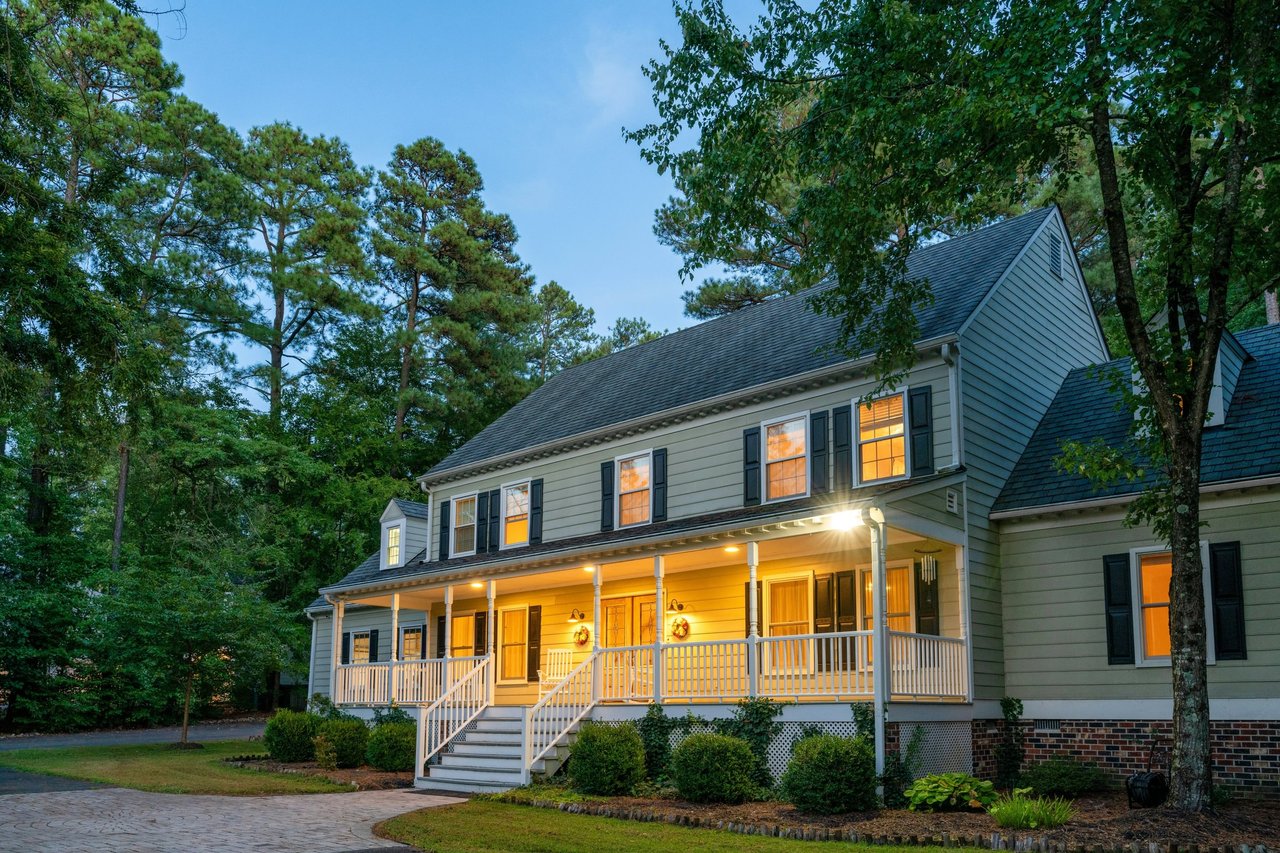
Both areas are suburban and still largely single-family in character. The more useful question is not whether either place has detached homes. It is how much variety you want around that core.
In Bethlehem, the housing stock is predominantly detached single-family homes, with many concentrated in Delmar, Elsmere, Slingerlands, and Glenmont. Bethlehem also has a 73.0% owner-occupied rate and a median owner-occupied home value of $370,400.
In Guilderland, the housing mix is somewhat broader. The town’s draft comprehensive plan says 68% of housing units were single-family in 2020, and it has relatively high shares of smaller multifamily and larger multifamily structures among peer towns. Guilderland’s owner-occupied rate is 65.3%, and the median owner-occupied home value is $357,400.
What That Housing Data Means for You
The value gap between the two towns is fairly modest based on recent Census quickfacts. In many cases, the bigger difference is the kind of setting and housing variety you want around you.
Delmar and Bethlehem generally read as the more established, owner-heavy residential core. Guilderland offers a broader mix of housing forms and a more explicit policy direction toward additional housing supply, including its 2024 certification as a Pro-Housing Community.
If you want a classic established suburb feel, Delmar may rise to the top. If you want more housing variety now and the possibility of additional infill and new supply over time, Guilderland may be worth a closer look.
Shopping and Errands in Delmar
Delmar’s retail pattern is more neighborhood-corridor than mall-centered. Bethlehem’s Delaware Avenue planning materials describe the corridor from the Bethlehem and Albany border to Four Corners, reinforcing that local, main-street-style structure.
For some buyers, that creates a more familiar and close-to-home errand experience. You may find that your daily stops feel more tied to one core corridor rather than spread across a larger retail landscape.
Shopping and Errands in Guilderland
Guilderland has two widely recognized retail anchors: Crossgates and Stuyvesant Plaza. Crossgates is positioned as a shopping, dining, and entertainment destination, while Stuyvesant Plaza offers a more boutique-style shopping option along Western Avenue.
That gives Guilderland a stronger large-scale retail presence. If you want more shopping range built into your everyday geography, that can be a real advantage.
Recreation in Delmar and Bethlehem
If outdoor access matters to you, Delmar has a lot to offer through the broader Bethlehem park system. Elm Avenue Park includes a pool complex, tennis and basketball courts, playing fields, volleyball courts, a dog park, pavilions, a fitness trail, and winter facilities.
Five Rivers in Delmar adds another major asset, with more than 450 acres, over 10 miles of trails, and free public access. Bethlehem also has a wider park network that includes places like Henry Hudson Park, Maple Ridge Park, and South Bethlehem Park.
Recreation in Guilderland
Guilderland is also strong on parks and trails. Tawasentha Park spans 200 acres and includes about 5 miles of trails, pools, winter recreation, and community gardens.
The town also notes 9 multi-use parks, along with direct access to the Albany Pine Bush Preserve. If you want a recreation picture that blends parks, trails, and major open space access, Guilderland makes a strong case.
Which Buyers Often Prefer Delmar
Delmar may be the better fit if you want:
- A more established residential core
- A village-style main corridor feel
- Strong owner occupancy
- A daily routine organized around Delaware Avenue and Four Corners
- Easy access to neighborhood parks and Five Rivers
This choice often appeals to buyers who want their next move to feel grounded, connected, and neighborhood-centered.
Which Buyers Often Prefer Guilderland
Guilderland may be the better fit if you want:
- More retail scale in your day-to-day life
- Broader road and highway access
- A somewhat wider range of housing types
- A more spread-out town layout
- Recreation that includes parks, trails, and the Pine Bush
This choice often appeals to buyers who want flexibility, larger retail access, and a town with a broader housing mix.
Questions to Ask Before You Choose
If you are torn between the two, ask yourself a few practical questions:
- Do you want your regular errands to cluster around Delaware Avenue and Four Corners, or around Western Avenue and Crossgates?
- Do you prefer a more established residential core, or a town with more housing variety?
- Will your commute depend more on local Albany-bound roads, or on I-87 and I-90 access?
- Do you want recreation to feel more like a neighborhood park system, or a larger park-and-trail footprint tied to a wider town layout?
Those answers often point you in the right direction faster than price alone.
The Bottom Line
Delmar and Guilderland both work well for many Capital Region buyers, and neither is a one-size-fits-all winner. Delmar tends to offer a more compact, established, neighborhood-oriented experience, while Guilderland tends to offer broader housing variety, larger retail anchors, and more highway-linked convenience.
If you are planning your next move, the smartest approach is to match the town to your real daily habits. The right fit is the place that supports how you want to live, not just where you want to sleep.
If you want help weighing Delmar against Guilderland based on your commute, budget, and lifestyle priorities, reach out to Shari Fox. You will get local guidance, clear advice, and hands-on support from start to finish.
FAQs
How do commute times compare between Delmar and Guilderland?
- Recent Census quickfacts show Bethlehem, which is the best proxy for Delmar, at a mean travel time to work of 22.0 minutes and Guilderland at 21.4 minutes, so commute times are very similar overall.
How is Delmar different from Guilderland in daily feel?
- Delmar tends to feel more compact and centered on the Delaware Avenue and Four Corners corridor, while Guilderland tends to feel more spread out and more connected to Western Avenue, I-87, and larger retail areas.
Are home values very different in Delmar and Guilderland?
- Based on recent Census quickfacts, the median owner-occupied home value is $370,400 in Bethlehem and $357,400 in Guilderland, which suggests the gap is modest.
Does Delmar or Guilderland have more housing variety?
- Guilderland shows a somewhat broader mix of housing types, while Bethlehem remains more strongly tied to detached single-family homes and a higher owner-occupied share.
What shopping options define Delmar compared with Guilderland?
- Delmar is shaped more by a neighborhood-corridor retail pattern along Delaware Avenue, while Guilderland is anchored by larger shopping destinations such as Crossgates and Stuyvesant Plaza.
What recreation options stand out in Delmar and Guilderland?
- Delmar and the Town of Bethlehem offer assets like Elm Avenue Park and Five Rivers, while Guilderland stands out for Tawasentha Park, its multi-use park system, and access to the Albany Pine Bush Preserve.