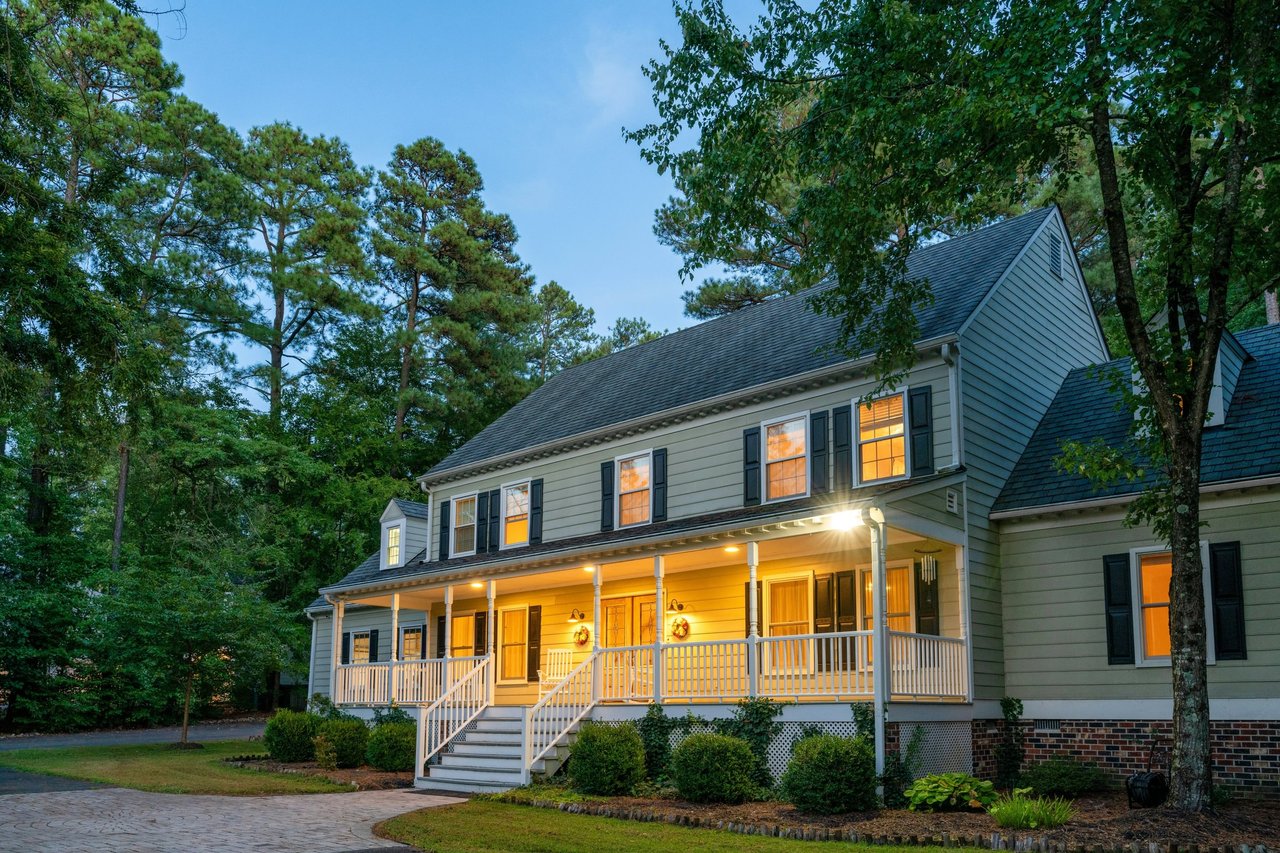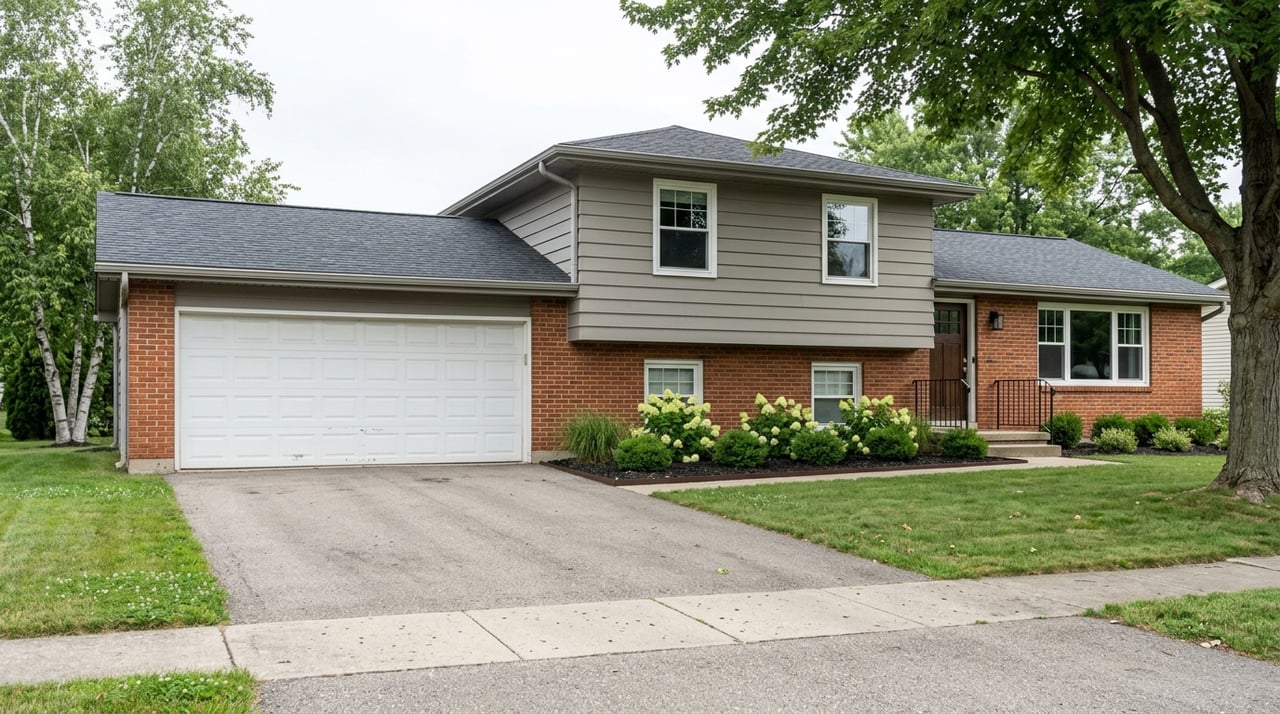
Wondering why Guilderland and Albany can feel so different even though they’re part of the same Capital Region market? If you’ve been browsing homes in both places, you’ve probably noticed the shift right away in lot sizes, home styles, street feel, and price points. The good news is that the difference is not just in your head. The data backs it up, and understanding it can help you focus your search with more confidence. Let’s dive in.
Housing Feel Starts With Density
One of the biggest reasons Guilderland and Albany feel different is simple: density. Guilderland covers 57.9 square miles with a population density of 643.5 people per square mile, while Albany covers 21.4 square miles and is much denser at 4,733.5 people per square mile.
That difference tends to shape your day-to-day experience as a buyer. In Guilderland, housing often feels more spread out. In Albany, homes are more likely to sit in a denser, more compact city setting.
Ownership Patterns Change the Atmosphere
Guilderland also has a much higher owner-occupied share than Albany. About 65.3% of homes in Guilderland are owner-occupied, compared with 38.2% in Albany.
That does not define every block, but it does help explain the overall feel of each market. Guilderland often reads as a place where detached ownership housing plays a larger role, while Albany has a broader mix of housing arrangements and building types.
Housing Types Look Different
The housing stock itself tells a clear story. In Guilderland, 66% of housing is single-unit. In Albany, 66% of housing is multi-unit.
For you as a buyer, that often translates into very different search results. In Guilderland, you are more likely to see detached homes as the norm. In Albany, you are more likely to come across apartments, condos, townhomes, and multifamily properties as a larger part of the housing landscape.
Guilderland Feels More Postwar
The age of the homes is one of the most visible differences between the two markets. Guilderland’s housing stock is mostly postwar and late-20th-century, with only 8.0% of units built before 1940.
A large share of Guilderland homes were built from 1960 to 1979, accounting for 31.0% of units, and another 31.5% were built from 1980 to 1999. That means a lot of the town’s housing presents as newer by Capital Region standards, especially when compared with older urban stock.
Albany Feels Older and More Historic
Albany’s housing stock is older by comparison. Nearly 43% of Albany housing units date to before 1940, and the city’s median year built is 1949.
The city’s 2025 Housing Audit also notes that 95% of Albany’s housing stock predates 2010. For buyers, that often shows up in the look and layout of homes, from older floor plans to older systems and a wider mix of renovation histories.
Streetscapes Often Reflect Those Eras
When you drive through these areas, the housing age often shows up in the streetscape. Guilderland more often reads as a postwar suburban market with detached homes and later-era development patterns.
Albany more often reads as an older city market with more historic fabric. That can mean a very different visual feel, even before you step inside a house.
Lot Sizes Tend To Be Larger in Guilderland
If yard space matters to you, this is one of the clearest differences. Public listings in Guilderland include examples like a 3-bedroom home on a 0.46-acre lot, a 4-bedroom home on a 1.2-acre lot, and a Colonial on a 0.34-acre lot.
That does not mean every home has a large lot, but it does support the broader pattern. Guilderland often offers more detached-house scale and more outdoor space in the homes buyers are comparing.
Albany Offers More Compact Lots
Albany’s live listings skew smaller and more attached. Current examples include a 5-bedroom house on a 5,227-square-foot lot, condos with 436-square-foot lots, townhomes with lots from 871 square feet to 6,534 square feet, and multifamily properties on lots like 1,307 square feet, 2,614 square feet, and 5,227 square feet.
If you are looking for a compact setup, lower exterior maintenance, or a city-style property mix, Albany may give you more options in that direction. If you want more yard space, Guilderland may feel more aligned with your goals.
Attached Housing Is More Common in Albany
The number of active listing types also helps illustrate the difference. In Guilderland search results, there were 10 townhomes and only 2 condos in the searched area.
In Albany, the same listing snapshots showed 10 condos, 24 townhomes, and 200 multifamily listings. That broader mix gives Albany a very different housing feel, especially if you want flexibility in property type or a lower entry point into the market.
Price Positioning Is Different Too
The housing feel is not just about style and lot size. It also shows up in pricing. Through May and June 2026, Guilderland had a median listing price of $429,950, while Albany sat at $319,000.
That places Guilderland at a higher price point overall. It also reinforces what many buyers notice in person: you are often paying for a market with more detached housing, more owner occupancy, and generally newer housing stock.
Guilderland Sits Above County Median
Realtor.com market data shows Guilderland above both Albany city and Albany County overall. Guilderland’s listing price per square foot was $245, compared with $204 in Albany city, while Albany County overall sat at a median listing price of $362,200.
That matters when you are comparing value across the region. A home search that starts with the same budget may lead to very different home types depending on whether you focus on Guilderland or Albany.
Owner Values Show the Same Pattern
Census QuickFacts points in the same direction. The median value of owner-occupied housing units is $357,400 in Guilderland and $234,700 in Albany.
That gap does not mean one market is better than the other. It simply shows that the two places occupy different spots in the local housing spectrum.
Days on Market Add More Context
These two markets also move a bit differently. Guilderland had 122 homes for sale with a median of 25 days on market and a 101% sale-to-list ratio.
Albany had 466 active listings with a median of 46 days on market and a 100% sale-to-list ratio. In practical terms, Guilderland appears tighter and faster, while Albany offers a larger pool of listings and a broader range of housing choices.
What Buyers Usually Notice First
When buyers tour both markets, they often pick up on the same patterns quickly. Guilderland tends to feel more suburban, more detached, and more centered on single-unit homes with larger lots.
Albany tends to feel more urban, more mixed in housing type, and more rooted in older buildings and compact lots. Neither is one-size-fits-all, but each offers a distinct experience.
Exceptions Matter Too
It is important not to oversimplify either place. Guilderland does have condo and townhome pockets, and Albany does have detached houses and some larger-lot properties.
The difference is really about the balance of the market. If you understand the overall pattern, you can search more efficiently and spend more time looking at homes that fit how you want to live.
How To Use This in Your Search
If you want more space, a detached-home feel, and housing stock that often trends newer, Guilderland may be the better fit. If you want more property-type variety, more attached options, and a lower median listing price, Albany may offer more choices.
This is where local guidance can make a big difference. The right search is not just about budget. It is also about matching the market’s housing feel to your daily life, priorities, and comfort level with home style, lot size, and upkeep.
If you’re weighing Guilderland against Albany and want help narrowing down the right fit, Shari Fox can help you compare options clearly and move forward with confidence.
FAQs
How does housing density differ between Guilderland and Albany?
- Guilderland is much less dense at 643.5 people per square mile, while Albany is denser at 4,733.5 people per square mile, which helps explain why Guilderland often feels more spread out.
What housing types are more common in Guilderland compared with Albany?
- Guilderland’s housing stock is 66% single-unit, while Albany’s is 66% multi-unit, so Guilderland more often feels like a detached-home market and Albany more often feels like a mixed-structure city market.
How old is the housing stock in Guilderland compared with Albany?
- Guilderland is mostly postwar and late-20th-century housing, with only 8.0% built before 1940, while nearly 43% of Albany’s housing units were built before 1940.
How do home prices compare between Guilderland and Albany?
- Recent market snapshots show a median listing price of $429,950 in Guilderland and $319,000 in Albany, placing Guilderland at a higher overall price point.
Are lot sizes usually larger in Guilderland than in Albany?
- Based on current listing examples, Guilderland more often shows larger lots and detached homes, while Albany listings more often include compact lots, attached homes, condos, townhomes, and multifamily properties.